We get a lot of questions that boil down to the same thing: “There are dozens of products online — how do I know which artificial grass is actually good?” It is a fair question. The spec sheets can be confusing, the marketing language is generic, and a product that looks great in a photo can feel cheap once it is installed in your yard. We have been supplying and installing turf across Phoenix, Mesa, and the broader Arizona and Utah markets long enough to have strong opinions about what separates a great install from a regrettable one.
This guide covers everything you need to read a spec sheet intelligently, understand what the numbers mean in the real world, and pick a supplier worth trusting. We will also walk through how our own product line compares so you can see what these specs look like in practice.
Key takeaways:
- Face weight, pile height, and backing drainage are the three specs that matter most — ignore the rest until you have these right.
- The best artificial turf for a backyard balances density, realistic color, and UV durability — not just the lowest price per square foot.
- In Arizona, UV-stabilized yarn and lighter blade tones are worth prioritizing because the desert heat accelerates wear on lower-quality fiber.
- A supplier who offers free samples, explains specs clearly, and stocks material locally is worth more than one who ships generically from a distant warehouse.
How to Read an Artificial Grass Spec Sheet
Before you can compare products, you need to understand what you are actually reading.
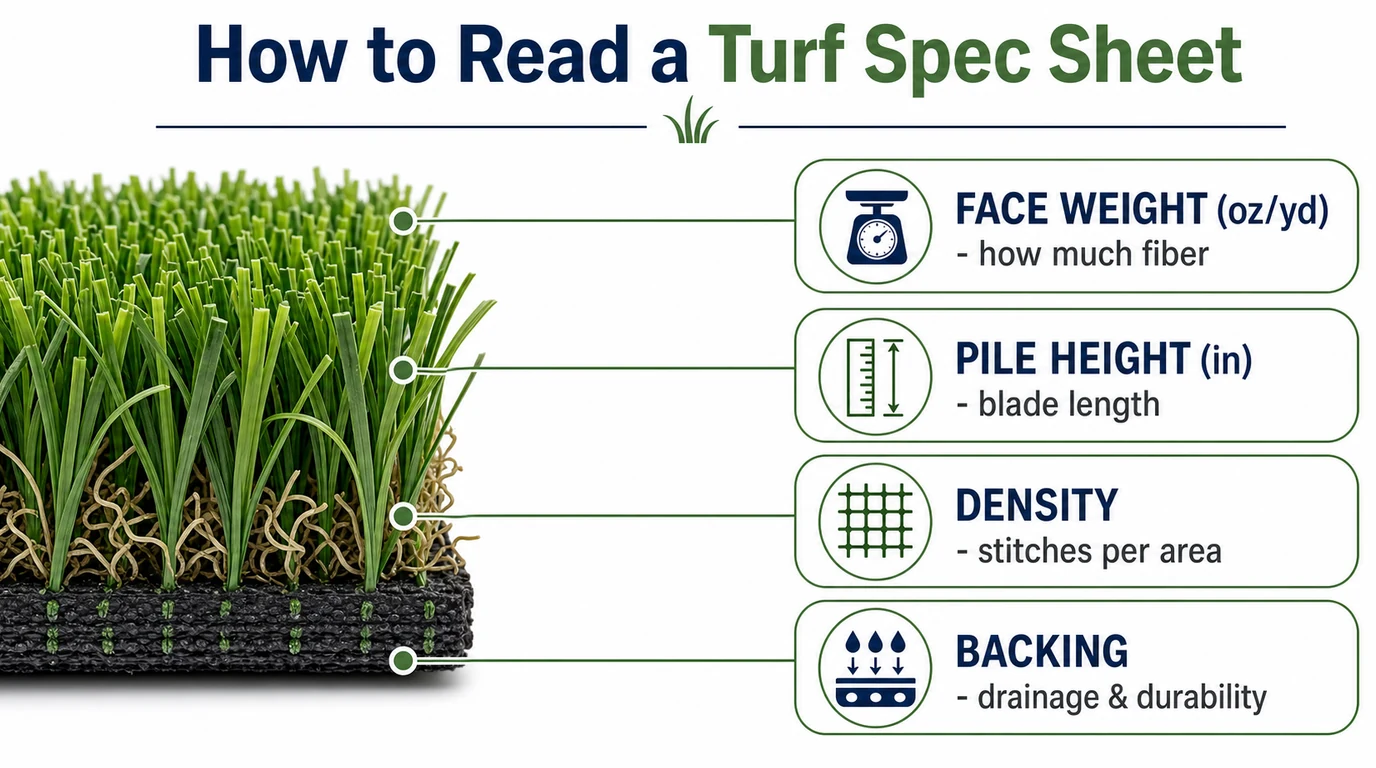
Face Weight
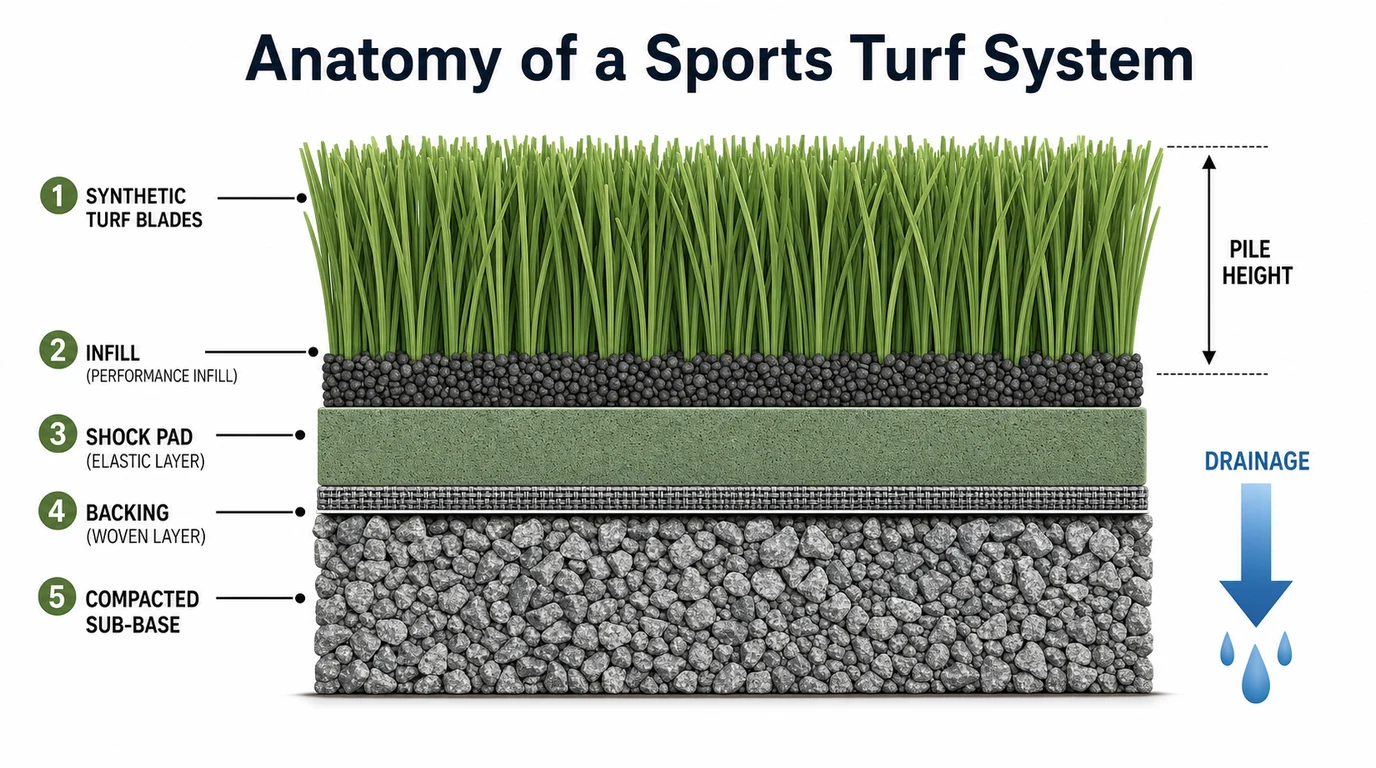
Face weight is measured in ounces per square yard and tells you how much yarn fiber is packed into the carpet. It is the single most important spec for durability and appearance. A higher face weight generally means a fuller, more resilient surface. Most quality residential products fall in the 70–90 oz/sq yd range. Products below 60 oz tend to look sparse over time, especially in high-traffic zones. Products above 90 oz are used for specialty applications.
Our Lush 80 comes in at 80 oz/sq yd — a well-rounded choice for most residential and light commercial applications. The Lush 70 at 70 oz/sq yd is a solid value option for lower-traffic areas like a decorative side yard or a smaller patio. If you want maximum density, the Lush Primo steps up significantly in both face weight and blade construction.
Pile Height
Pile height is the length of the blade from the backing to the tip, measured in inches. For most backyard lawn replacements, 1.5 to 2 inches is the range that looks most natural and is easiest to maintain. Shorter piles (under 1.25 in) are better for putting greens or sports fields. Very long piles can feel luxurious initially but mat down with regular foot traffic if you are not brushing them.
Blade Shape and Color
The shape of the individual yarn strand — W-cut, C-cut, diamond, or flat — affects softness, how the grass stands upright, and how much it reflects heat. W-shaped and diamond-shaped blades tend to stand more independently, which helps the turf maintain a fuller look over time. Single-color products look artificial almost immediately. Look for products with multi-tone yarn: a mix of green shades plus a tan or brown “thatch” strand woven in at the base. That thatch layer is the detail that makes good turf look genuinely like real grass.
Backing and Drainage
The backing is what the yarn is tufted through, and it is what determines how well water moves through your turf. Look for dual-layer backing (a primary and secondary layer, often polyurethane-coated) and confirm there are adequate drainage holes — typically described as perforated backing. Drainage performance matters everywhere, but in Arizona’s monsoon season you can get intense rain in a short window. Poor drainage backs up quickly and creates standing water issues.
Our Lucky 77 is a good example of a product designed with drainage performance in mind alongside a strong face weight, making it a versatile choice for pet owners and families who want durability without sacrificing appearance.
Best Artificial Turf for Backyard Use
The backyard is where most homeowners are choosing turf, and the requirements are a bit different from a sports field or a putting green. You want something that:
- Looks natural from the house and from close up. Multi-tone, realistic blade color matters a lot here.
- Handles foot traffic from kids and pets. A face weight of 70 oz and up is a reasonable floor. If you have dogs, prioritize drainage hole density and pair it with a good antimicrobial infill for odor control.
- Holds up to UV exposure. This is especially important for backyards in Arizona and southern Utah, where direct sun exposure is extreme and low-quality yarn can fade or become brittle within a few years. Ask specifically whether the product uses UV-stabilized polyethylene fiber.
- Feels comfortable underfoot. If kids or pets spend a lot of time on the surface, softer blade shapes and a proper infill depth make a tangible difference.
For a standard backyard install — lawn replacement, maybe a patio surround — we typically recommend starting with the Lush 80 or Lucky 77 depending on whether density or drainage is the higher priority.
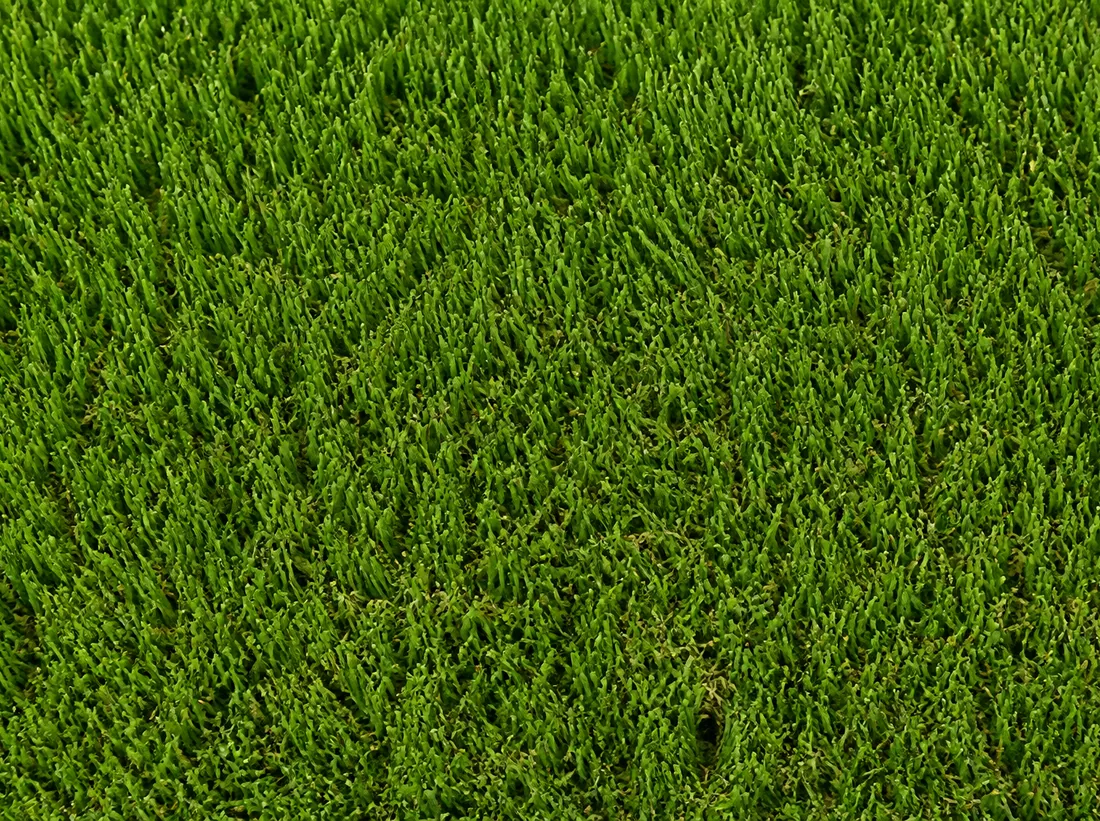
Lush 80 Artificial Turf
A premium, realistic turf with a fuller feel — a balanced fit for lawns, pets, and active yards.
View Lush 80 →Best Artificial Grass for Arizona Specifically
We hold the top organic position for “best turf for Arizona” because we actually know this market. Here is what that means practically.
Arizona’s combination of high UV intensity, temperatures that regularly exceed 110°F, caliche soil, and near-zero rainfall makes a specific set of demands on artificial turf that generic national guides do not account for:
UV-stabilized fiber is not optional here. In states with mild climates, a lower-grade product might last 10 years before showing degradation. In the Phoenix metro, that same product can show fading, brittleness, and fiber breakdown significantly sooner. Every product we stock is UV-stabilized, but when you are comparing suppliers, ask directly — not all products are.
Lighter, more natural blade tones manage heat better. Dark-colored, single-shade turf absorbs more heat. The multi-tone products with tan thatch layers reflect more light and run cooler than deep-green single-tone alternatives. This is not a dramatic difference, but it matters on a 115°F July afternoon when your kids are out there.
Caliche-friendly base prep matters as much as the turf itself. Arizona’s caliche layer — that dense calcium carbonate hardpan found a few inches down — prevents natural drainage if it is not broken through or accounted for in the base preparation. This is an installation issue, not a turf-selection issue, but it is why buying local from a supplier who understands AZ soil conditions helps. You can learn more in our Arizona service area resources.
How to Pick an Artificial Turf Supplier
The product matters, but the supplier relationship matters almost as much — especially if you are doing a larger install or planning multiple phases.
Ask for Physical Samples
This sounds obvious, but many online-only suppliers make it difficult to get samples before you commit. You need to hold the product in your hand, feel the blade density and softness, and look at it in your actual outdoor light. Colors that look one way in a product photo look different in the afternoon sun of an Arizona or Utah backyard.
Make Sure They Serve Both DIY and Contractor Customers
A supplier who only works with large contractors cannot give a homeowner doing their own install the attention they need. Conversely, a supplier who only does retail direct-to-homeowner may not have the volume or relationships to ensure product consistency across a larger job. The Turf Yard wholesale and supply side serves both — we work with individual homeowners who want to handle their own install and with professional landscapers and contractors pulling material for client jobs.
Know-How Matters More Than Price Per Square Foot
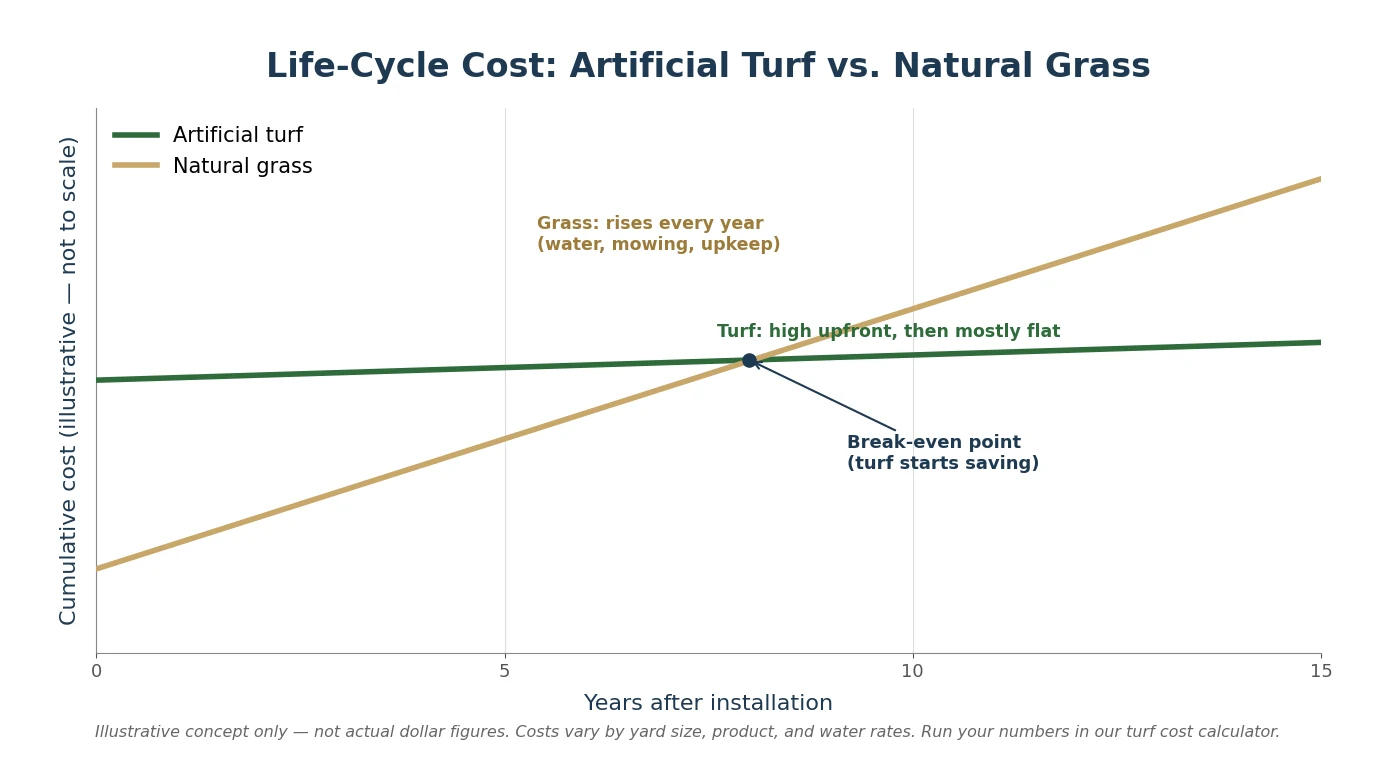
The cheapest product per square foot frequently costs more by the time a poorly-specified install needs to be corrected or replaced early. A supplier who can explain the difference between a 70 oz face weight and an 80 oz in terms of what it means for your specific application — not just throw spec numbers at you — is worth more than one competing purely on price.
Local Warehousing vs. Drop-Shipping
If your supplier is warehousing in another state and shipping to you, lead times are longer, freight costs are real, and returns are complicated. Our Mesa yard supplies turf across Arizona and serves Utah customers as well — shorter lead times, no cross-country freight, and you can come look at product in person if you want.
Not Sure Which Product Is Right for You?
Tell us about your project — size, use, soil conditions — and we'll point you to the right product and help you estimate materials.
Comparing the Products Side by Side
To make this concrete, here is how our four main products sit relative to each other:
- Lush 80 — 80 oz/sq yd, versatile residential choice, strong UV performance, natural multi-tone color. Best all-around backyard option.
- Lush 70 — 70 oz/sq yd, lighter-duty residential, good value for decorative or low-traffic areas.
- Lucky 77 — 77 oz/sq yd, drainage-optimized backing, well-suited for pet yards and areas with heavy seasonal rain or irrigation runoff.
- Lush Primo — premium face weight and blade construction, for installs where maximum realism and long-term density are the priority.
All four use UV-stabilized polyethylene fiber, multi-tone color blends, and dual-layer backing. The right choice depends on your use case, traffic level, and budget — and we are glad to send samples so you can compare them directly.
Use our turf calculator to estimate how much material your project needs before you get into supplier conversations. It will also help you think through base and infill requirements so there are no surprises.
Warranty and What to Ask About
We are deliberately not publishing a specific warranty term here because terms vary by product and we want you to get the accurate, current details directly from us rather than a blog post. What we will say is: ask any supplier for their warranty in writing before you buy, confirm what it covers (fiber fade, backing separation, drainage failure), and ask what the claims process actually looks like. A warranty that requires shipping product back to a warehouse across the country is less valuable than it looks on paper.
When you are ready to move forward, our team supplies turf, base, and infill across the Arizona service area from our Mesa yard, with free samples and hands-on guidance for both DIY homeowners and professional installers. Talk to a turf expert and we will help you match the right product to your specific project.